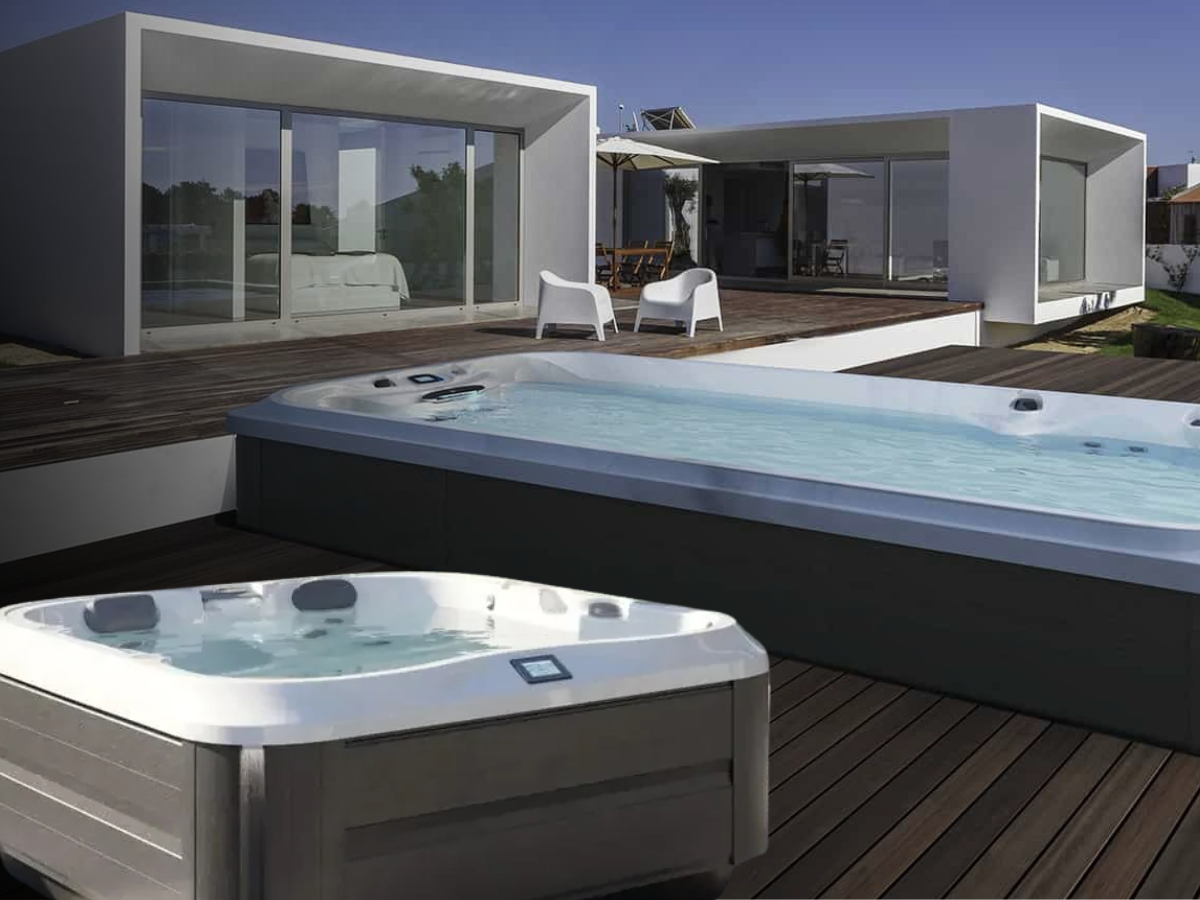
You’ve been thinking about adding something to your backyard that changes how you actually use it. Not a fire pit that gets packed away in October. Something year-round, something that pays off in January just as much as July. You’ve narrowed it down to a hot tub or a swim spa, and now you’re stuck.
Both promise relaxation. Both promise hydrotherapy. Both represent a real investment. But they’re built for fundamentally different uses, and choosing the wrong one means spending the next ten years working around the choice you made.
This isn’t a surface comparison. We’re going to go through what hot tubs and swim spas actually do well, where each one falls short, and which type of homeowner genuinely benefits from each. By the end, you’ll have a clear picture of which fits your life.
What a Hot Tub Can Help With
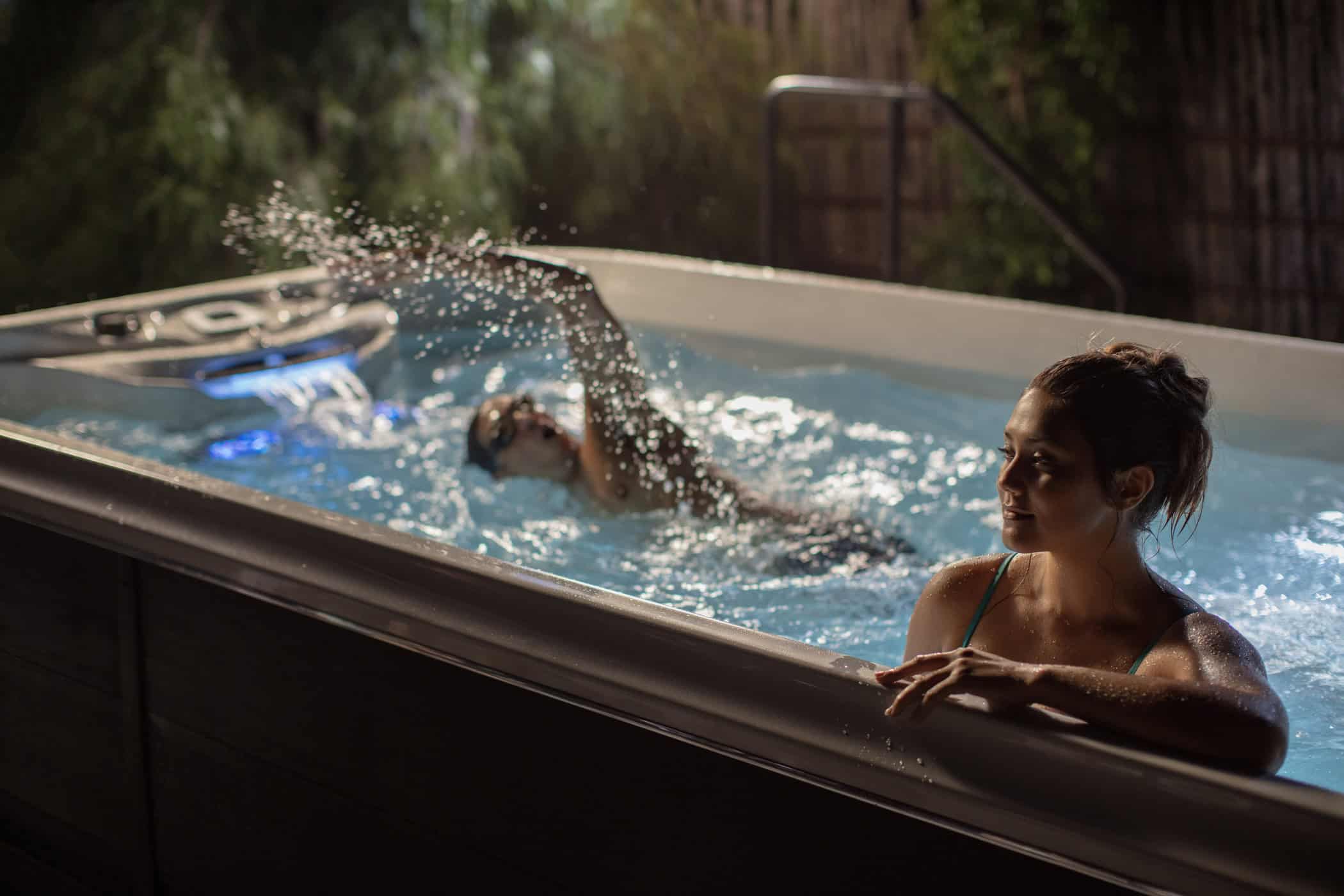
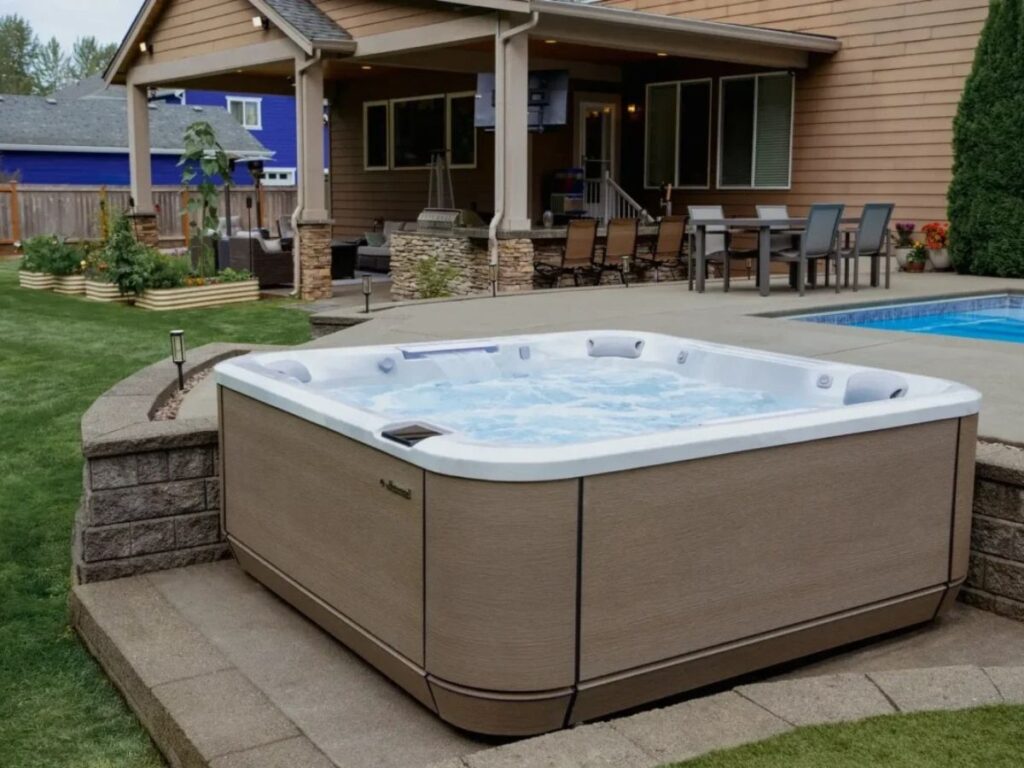
A hot tub is purpose-built for one thing: immersive hydrotherapy in a compact, heated environment. The design centres on seating, jets, and water temperature, with everything optimised for soaking, massage, and recovery. A quality hot tub positions you in specific seats with jets targeting the shoulders, lower back, neck, hips, and calves, not randomly, but based on where chronic tension accumulates.
Modern hot tubs from manufacturers like Jacuzzi are engineering exercises in targeted therapy. The J-400 series, for example, features PowerPro jets that deliver a range of massage types, from high-volume flow for muscle groups to pinpoint jets for specific pressure points. The water stays between 98°F and 104°F, and the session is therapeutic by design, not just a warm soak.
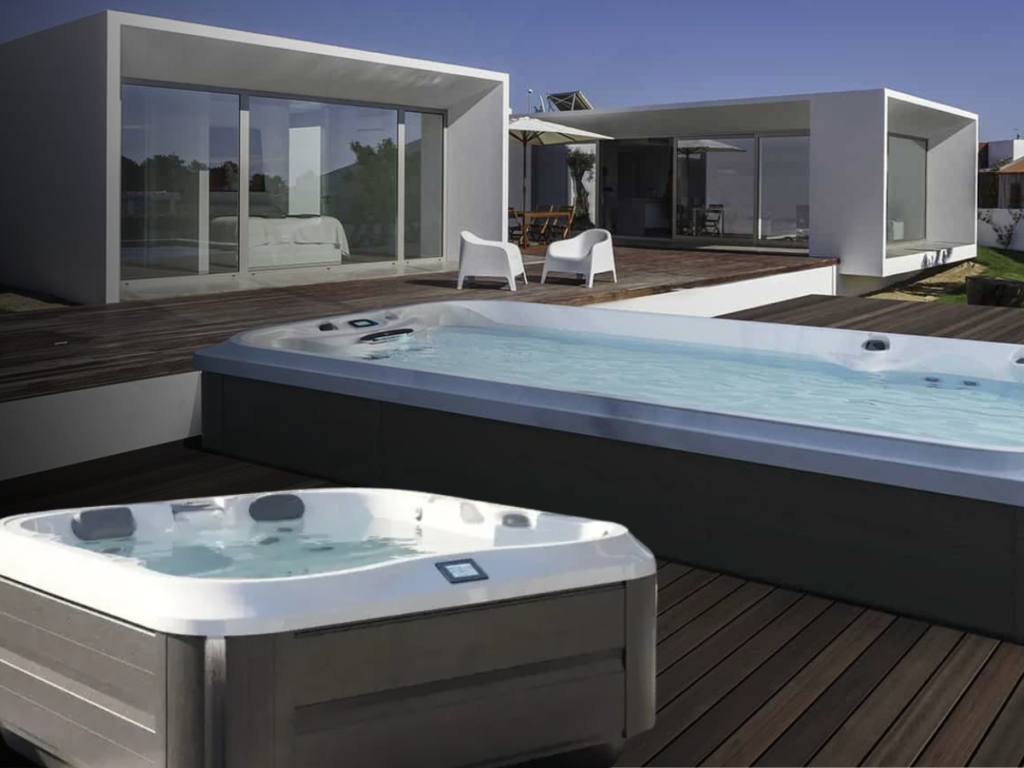
Hot tubs are also compact. A 4-person model fits in spaces where a swim spa physically cannot. They fit on decks, in enclosed yards, beside patios, and in tight corners. Their footprint, typically 7 to 8 feet square, gives them a flexibility that a 14 to 19-foot swim spa doesn’t have.
Who Gets the Most Value From a Hot Tub
Hot tubs deliver the most value for homeowners who prioritise recovery, stress relief, and hydrotherapy. If you finish a day with tension across your shoulders and lower back, if you deal with chronic pain or arthritis, if you want a space for quiet recovery and sleep improvement, a hot tub is the right tool.
They’re also the right choice for smaller yards or when space is a genuine constraint. A premium hot tub in a well-designed deck corner becomes a backyard focal point. A swim spa in that same space becomes an obstacle.
What a Swim Spa Is Designed For
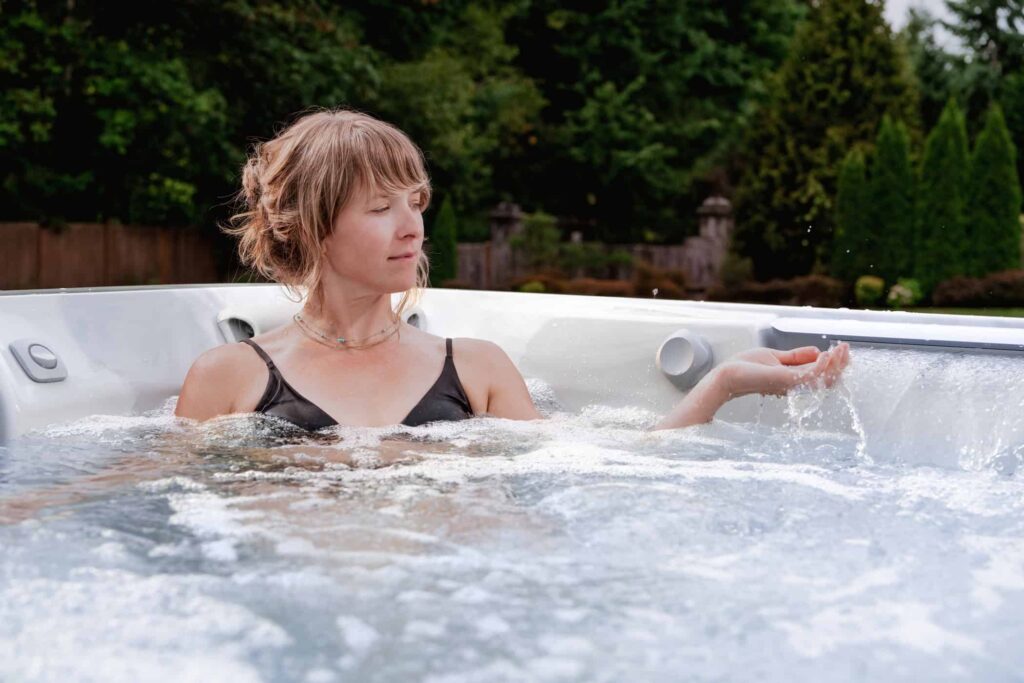
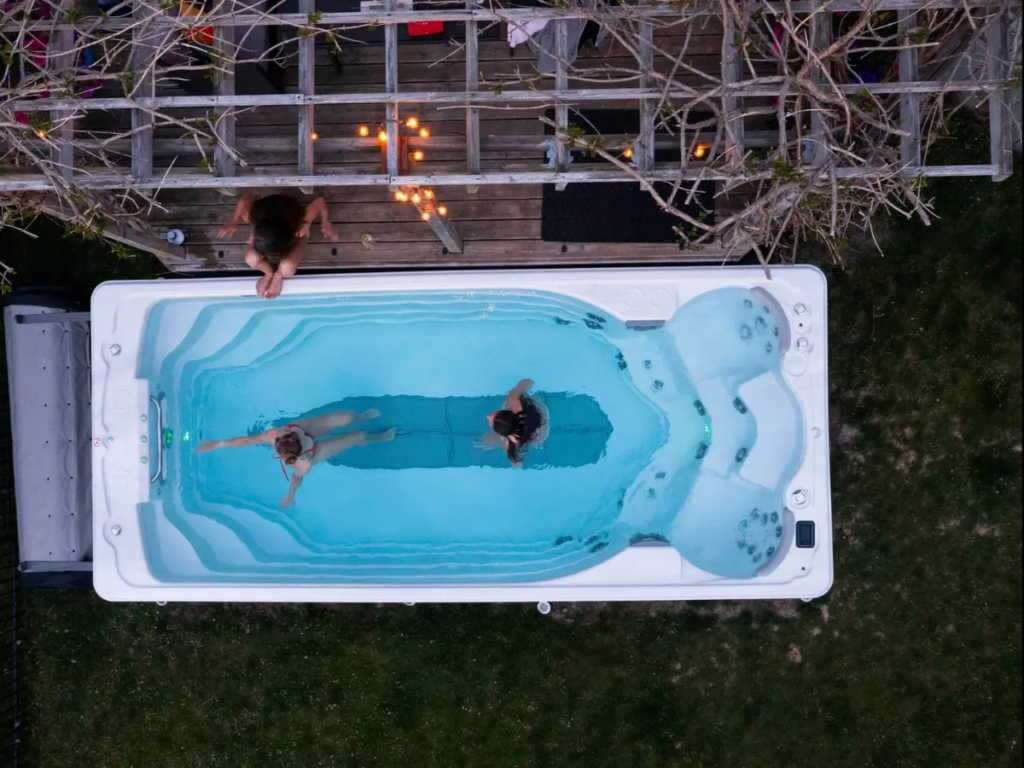
A swim spa is two products in one: a current-based swimming system and a hydrotherapy spa zone. The defining feature is the propulsion system, which generates a continuous current strong enough to swim against, removing the need for a full-length pool. Most models are 12 to 19 feet long and include an adjustable current that accommodates everything from casual walking resistance to serious competitive swim training.
The Jacuzzi swim spa lineup, including the J-12 Flow and J-16 PowerPro models, offers dual-zone designs where the swim section and the hot tub section operate independently. You can have the swim zone at a cooler exercise temperature while the spa zone holds full hydrotherapy heat. This separation matters, because exercising in 104°F water isn’t what you want.
Swim spas are longer and require a larger installation footprint, but they offer something a hot tub genuinely cannot: cardiovascular exercise. For homeowners who want a pool alternative without the space, cost, or seasonal limitation of an inground pool, a swim spa hits a very specific target.
Who Gets the Most Value From a Swim Spa
Swim spas deliver the most value for active families, fitness-focused homeowners, and anyone who wants a pool experience without a pool. If you swim regularly, if you have children who want to play in water, if you want to do aquatic exercise therapy for joint health without high-impact strain, a swim spa is built for that.
They’re also the right choice for homeowners who’ve been considering an inground pool but have hesitated because of cost, space, or Saskatchewan’s short warm season. A swim spa runs year-round. An inground pool does not.
Head-to-Head: Seven Ways They Differ
Installation and Space
Hot tubs require a 7 to 9-foot level pad, a dedicated 240V electrical connection, and access for delivery. They fit in spaces where a swim spa cannot. Swim spas need 12 to 19 feet of length plus clearance on all sides, plus structural support for a unit that can weigh 5,000 to 7,000 pounds when filled. Swim spas sometimes require crane delivery.
Operating Costs
Both require 240V electrical service. A well-insulated hot tub in Saskatchewan typically costs $70 to $120 per month to operate in winter. A swim spa’s larger water volume means higher energy costs, generally $120 to $250 per month depending on temperature settings and insulation quality. Both benefit significantly from high-quality insulated covers.
Exercise Capability
A hot tub offers no meaningful exercise capability. A swim spa provides a full cardiovascular workout option with adjustable current resistance. If fitness is a priority, this isn’t a close comparison.
Hydrotherapy Quality
Both offer hydrotherapy, but hot tubs are more focused. The seating is designed specifically for therapy, with jets positioned for targeted muscle groups. Swim spa spa zones offer good hydrotherapy, but the spa section is typically smaller and less precisely targeted than a dedicated hot tub.
Price
Hot tubs range from approximately $5,000 to $22,000 in Saskatoon. Swim spas typically range from $18,000 to $45,000 depending on size, current system strength, and features. The investment in a swim spa is meaningfully higher, but so is the capability.
Disclaimer: Prices are only an indication and are subject to change. Please contact us for a full quote specific to your location and hot tub installation requirements and specifications.
Year-Round Use in Saskatchewan
Both are built for year-round use in Saskatchewan’s climate when properly insulated. The key is buying from a manufacturer that engineers for cold climates, not a model designed for Southern California that’s been shipped north. Jacuzzi’s Canadian lineup is built with full-foam insulation and cold-weather performance as a baseline, not an afterthought.
Lifespan and Maintenance
A quality hot tub or swim spa, properly maintained, will last 15 to 20 years. Both require regular water chemistry management, filter cleaning, and annual professional service. Swim spas have more components, which means more parts to maintain over time. Hot tubs have a simpler system profile.
The Questions That Settle the Decision
In practice, the decision usually comes down to three questions. Work through them and the answer becomes clear.
Do you want to swim or exercise in water, or do you want to soak and recover?
If the answer is exercise, swim spa. If the answer is recovery and therapy, hot tub. If the answer is genuinely both, and space and budget allow, swim spa.
How much usable space do you have?
Measure the space before you decide. A swim spa that doesn’t fit comfortably in your yard isn’t a swim spa, it’s a problem. A hot tub that fits perfectly in a corner and gets used daily is significantly more valuable than a swim spa you worked around.
What’s your ten-year plan for the space?
If your household is growing, if you expect to be more active in five years, or if you’re buying for a long-term property, a swim spa’s additional capability often makes more sense. If your priority is immediate therapeutic use and easy daily access, a hot tub delivers that without the complexity.
Explore Jacuzzi hot tubs and Jacuzzi swim spas at our Saskatoon showroom, or visit our health benefits page for more on the therapeutic side of both.
Frequently Asked Questions
Can a swim spa replace a hot tub?
A swim spa with a dedicated spa zone can replace a hot tub’s hydrotherapy function, but the experience is different. Swim spa spa sections are typically smaller and less precisely targeted than dedicated hot tubs. If pure hydrotherapy is your main goal, a dedicated hot tub delivers a better experience per dollar spent on that specific function.
Is a swim spa cheaper to run than a pool?
Yes, significantly. An inground pool requires seasonal heating, chemical maintenance, and winterizing costs that add up to thousands per year in Saskatchewan. A swim spa runs year-round at a fraction of the operating cost, with no costly winterization process.
How long does it take a swim spa to heat up?
A swim spa takes approximately 8 to 12 hours to heat from cold, depending on the model and ambient temperature. Once at temperature, it maintains that temperature continuously, so daily use doesn’t require extended heating periods.
Can a swim spa be used in a Saskatchewan winter?
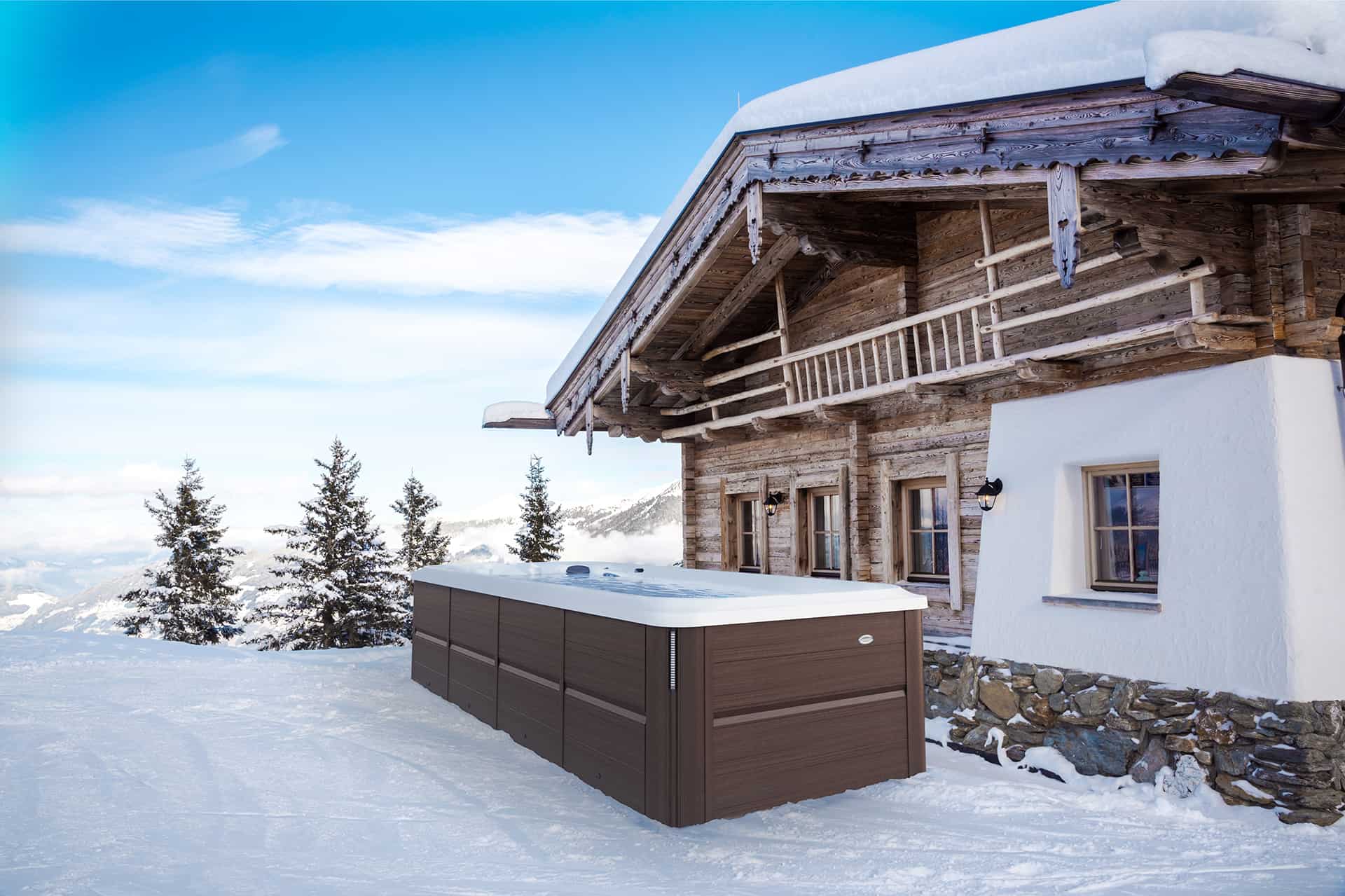
Absolutely. Jacuzzi swim spas are built with full-foam insulation and cold-weather performance as a design priority. Many Saskatoon owners use their swim spas year-round, including for winter swimming. An insulated cover and quality electrical setup are essential.
What is the difference between a swim spa and an all-season pool?
These terms refer to the same product. All-season pool, swim spa, exercise pool, and hydrotherapy pool all describe a larger-format spa unit with a current system for swimming or walking resistance. The Jacuzzi lineup uses the swim spa designation.
Explore Both at Our Saskatoon Showroom
The best way to make this decision is to sit in both. Our showroom at 101 Idylwyld Drive South has running models of Jacuzzi hot tubs and swim spas, and our team can walk you through the differences in person, not as a sales pitch, but as a practical conversation about what fits your yard, your family, and your health goals.
Book a showroom visit or reach out to our team through our financing page to explore what monthly payments look like for each option.